What’s inside.

Every active ingredient, with its role and the study behind it. So you know what your dog gets every day.
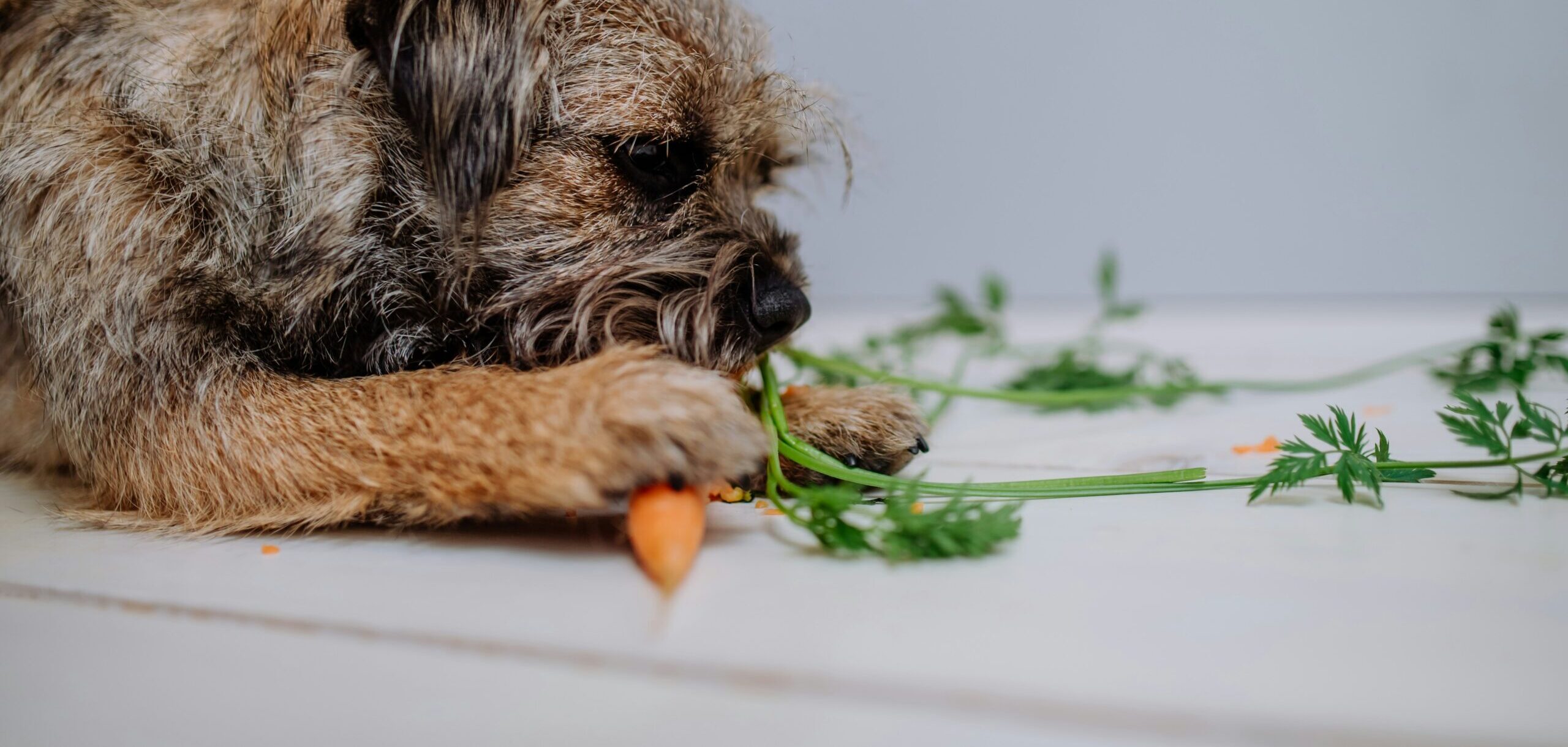
Dog nibbling on a fresh carrot

Four criteria for every raw material.

A raw material only goes into our formulas if it meets all four.

Food-grade raw materials

We only use food-grade raw materials. The same standards apply to your dog as to people.

Study-based dosage

In the amounts examined in studies. No traces added just so it appears on the label.

Fully declared

Every raw material is listed on the label with its amount. So you know what your dog gets.

Developed with vets

Developed with vets, using food-grade raw materials.
What’s behind the label.

With the Pure Nature Label, we set out to create a new standard for supplements. It applies to every product from Lenn & Lucy.

The label stands for our own research, which we use to keep developing every formula. And for the fact that no artificial colourings or flavourings go into our formulas.

Every active ingredient, disclosed.

Choose an active ingredient to see its effect and the study.
Digestion

Lactobacillus acidophilus

Lactobacillus acidophilus

For a balanced gut flora and stable digestion.
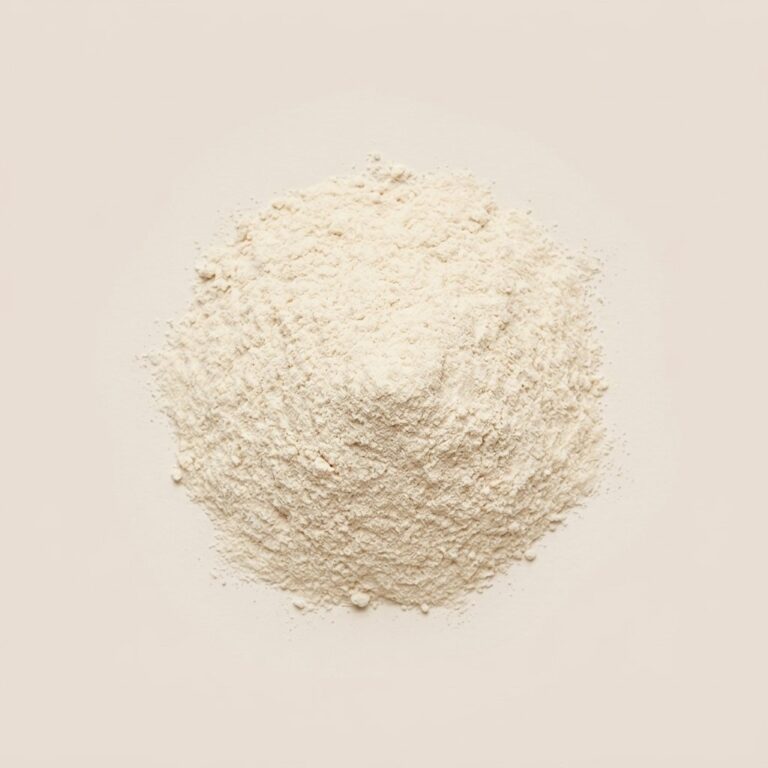
Pektin-Pulver

Pectin

Soluble fibre that is fermented in the gut and nourishes the gut flora.
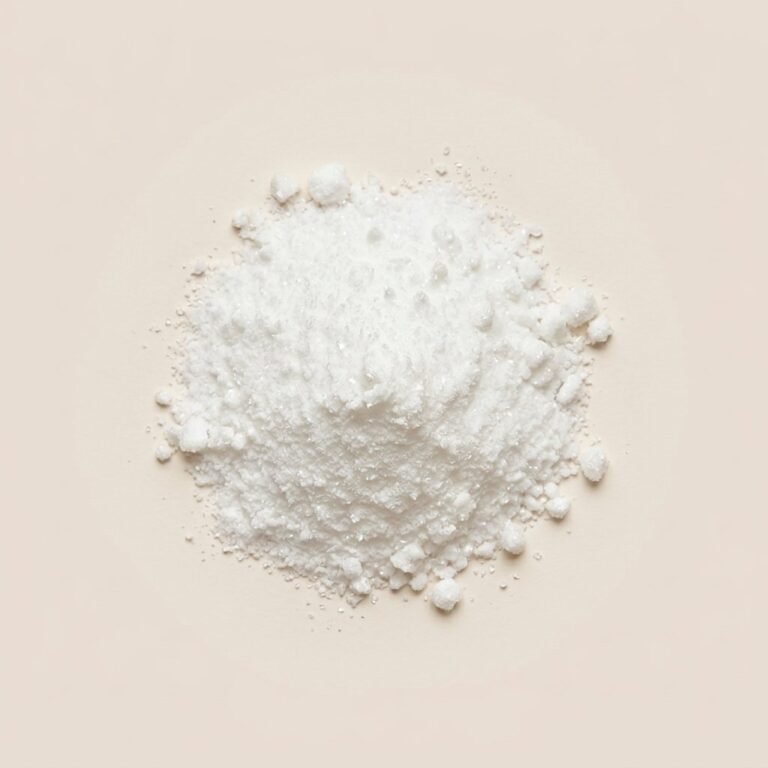
FOS-Pulver

Fructo-oligosaccharides (FOS)

Prebiotic food for the natural gut flora.
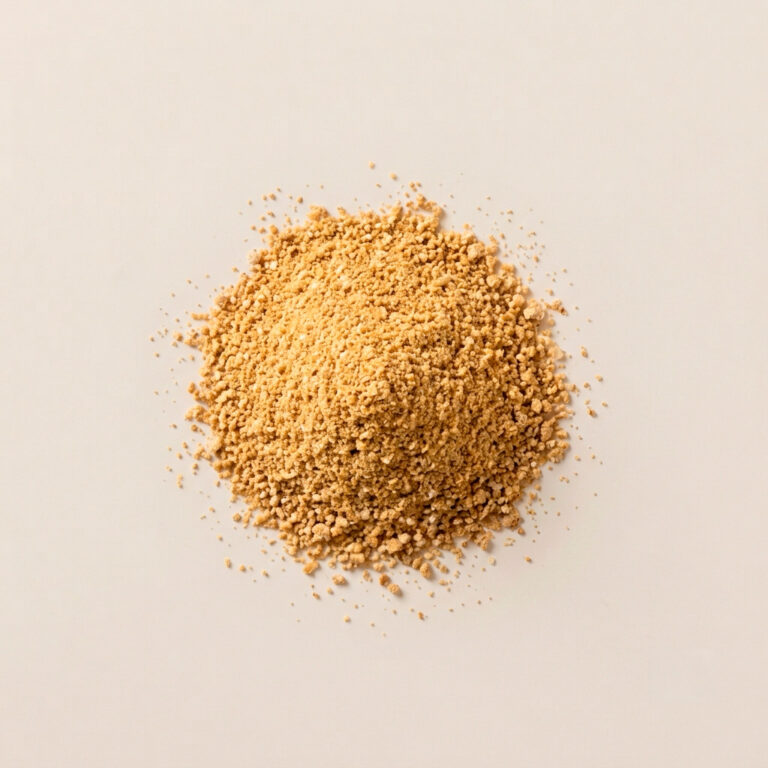
Topinambur

Jerusalem artichoke

Natural source of inulin, complements the prebiotic fibres.
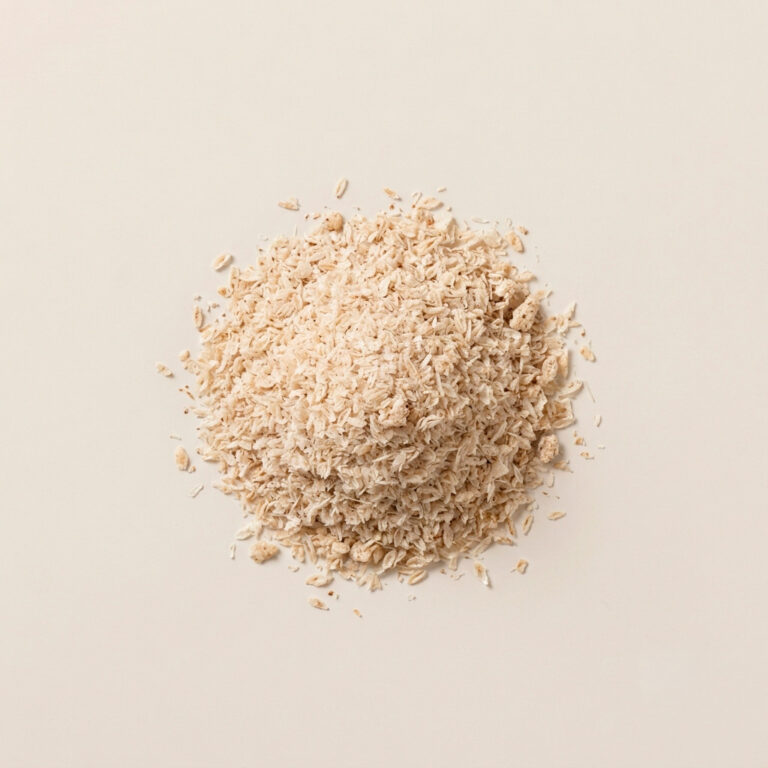
Flohsamenpulver

Psyllium husk powder

For firm stool consistency and regular bowel movements.
Akazienfaser

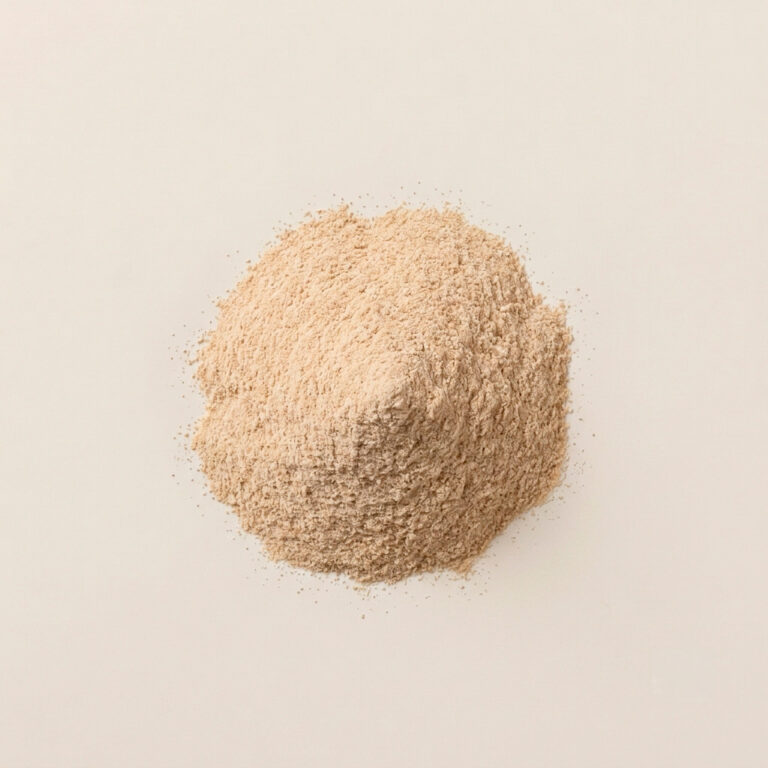
Acacia fibre

For less flatulence, particularly gentle on the gut flora.
Karottenpulver

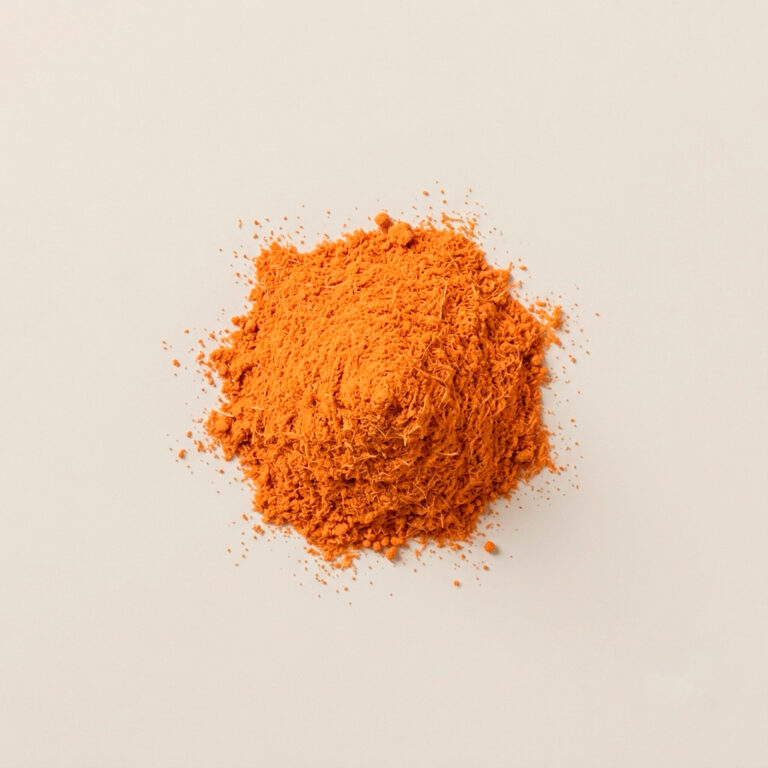
Carrot powder

For antioxidant protection and healthy intestinal mucous membranes.
Joints

Glucosamin

Glucosamine hydrochloride

Building block of cartilage, supports its formation and maintenance.
Glucosamin

Glucosamine sulphate

Building block of cartilage, supports its formation and maintenance.

MSM

MSM

Organic source of sulphur for cartilage and connective tissue.
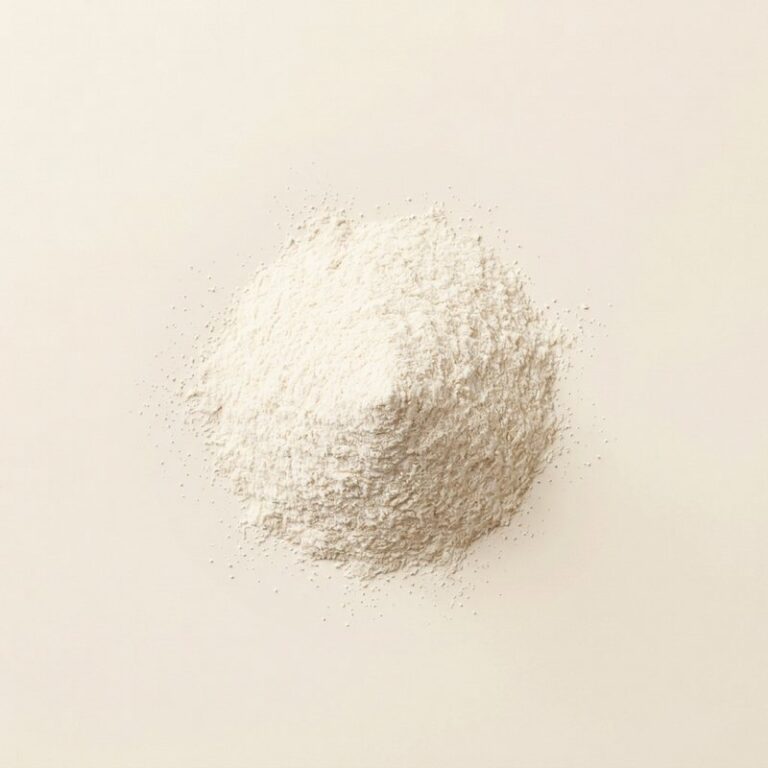
Chondroitin

Chondroitin

Binds water in the cartilage, for elasticity and cushioning.
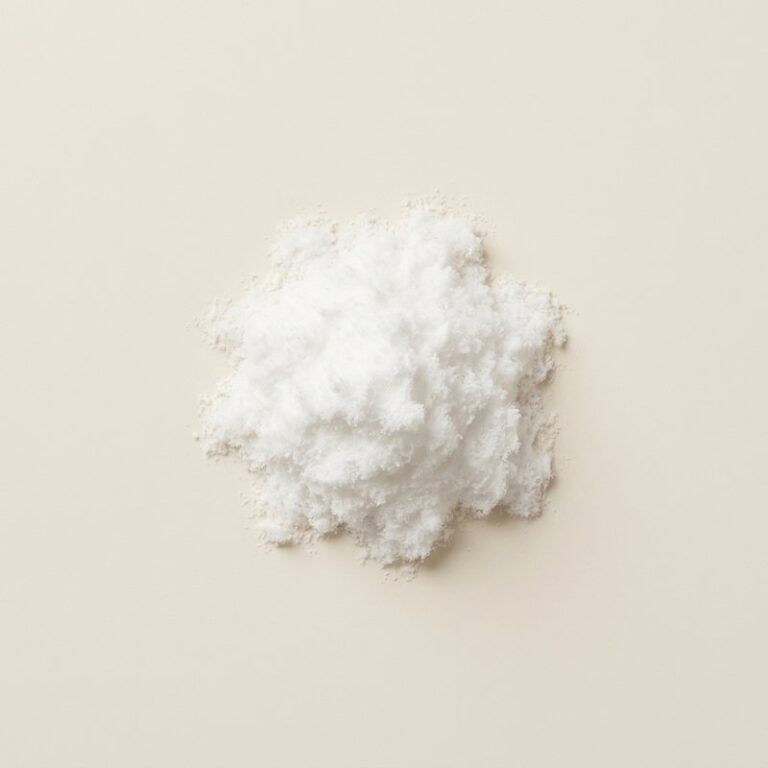
Hyaluronsäure

Hyaluronic acid

Component of joint fluid, for smooth movement.
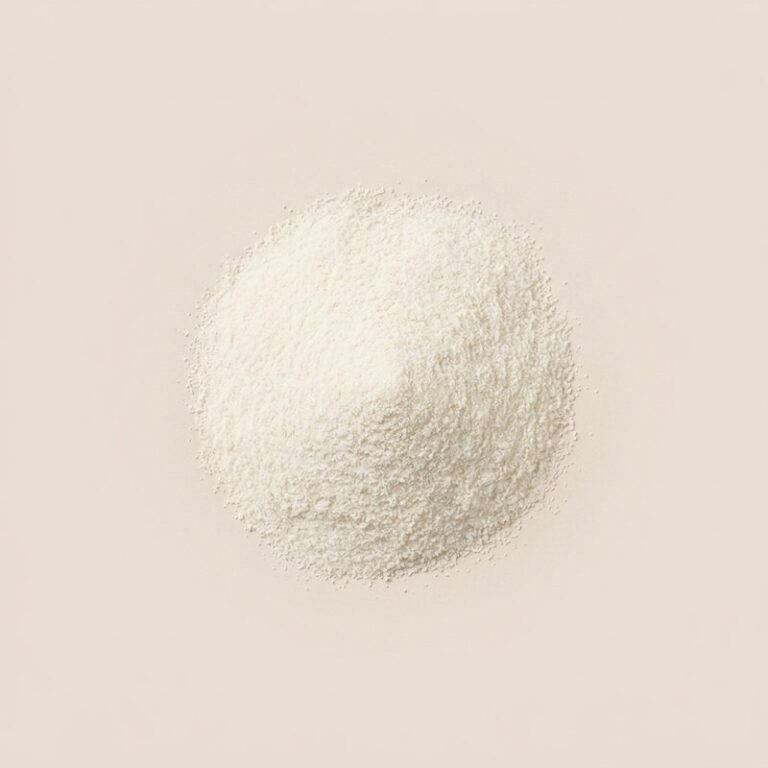
Kollagen-Peptide

Collagen peptides

Provide amino acids for tendons, ligaments and connective tissue.
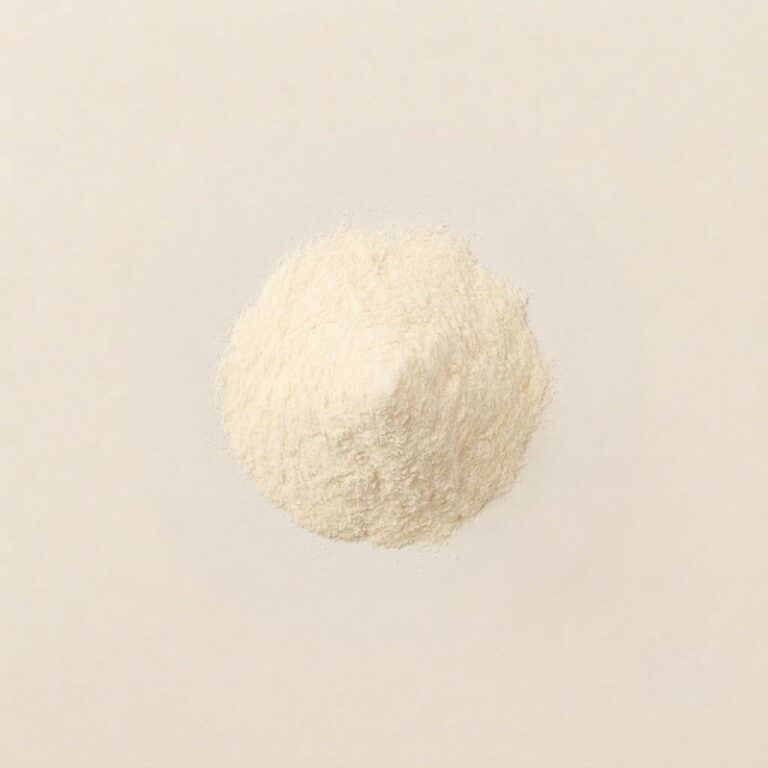
Kollagen

Collagen

Bovine collagen, a building block of cartilage and connective tissue.
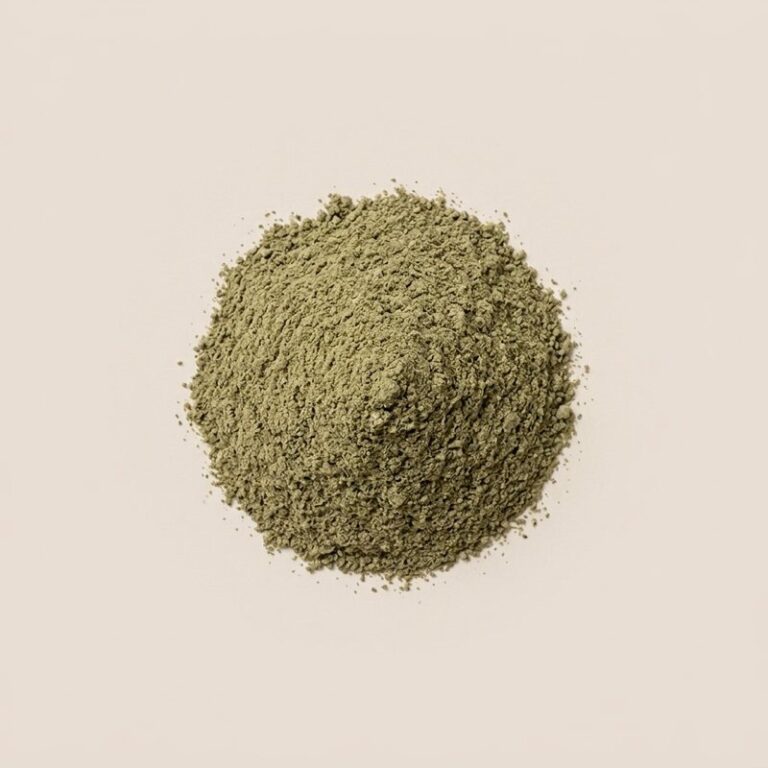
Grünlippmuschel

Green-lipped mussel

Natural source of joint nutrients and omega-3.
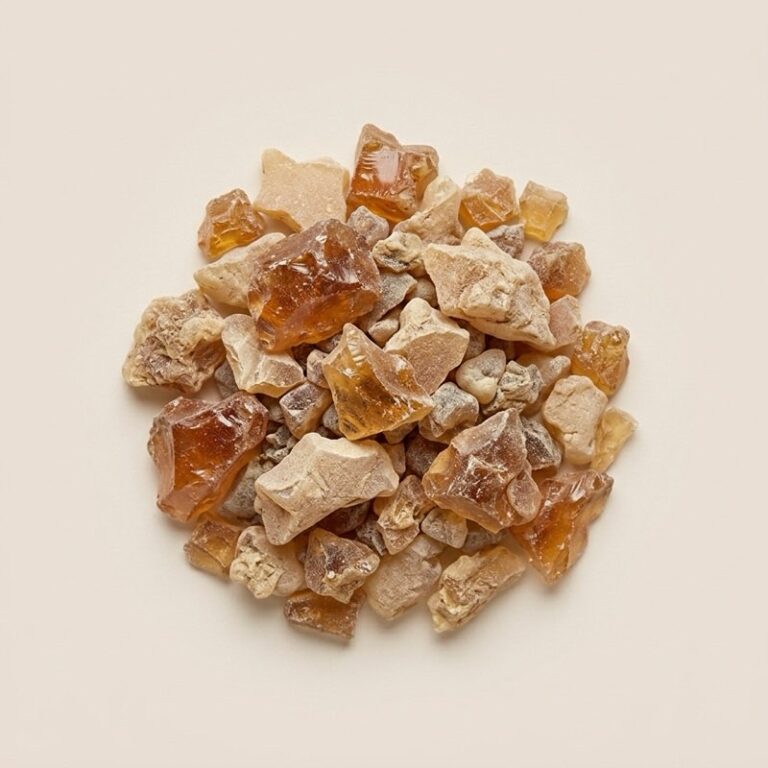
Boswellia-Harz

Boswellia

Plant resin for natural mobility.

Kurkuma-Extrakt

Turmeric extract

Antioxidant, combined with black pepper extract.
Skin & coat

EPA

EPA

The omega-3 fatty acid for the natural regulation of inflammation.
DHA

DHA

For the brain, nerves and a healthy cell structure.
Lachsöl

Salmon oil

A natural base that dogs like to eat.
Vitamin E

Vitamin E

Protects the sensitive fatty acids from oxidation.

Lactobacillus acidophilus

Lactobacillus acidophilus is a lactic acid bacterium that occurs naturally in the gut of dogs. As a probiotic, it supplements the gut flora with live bacteria. The strain is authorised in the EU as a feed additive.

Source
Probiotic lactic acid bacteria strain (4b1715)

Study

·

Ingredients

Pectin

Pectin is a soluble fibre from the cell walls of plants. In the large intestine, it is fermented by the gut bacteria, producing short-chain fatty acids.

Source
Prebiotic fibre from plant cell walls

Study

Journal of Animal Science · 1995

Pectin as a fermentable fibre

Shows pectin to be a readily fermentable fibre that forms short-chain fatty acids.

Read study (opens in a new tab)

Fructo-oligosaccharides (FOS)

Fructo-oligosaccharides are short-chain carbohydrates that dogs cannot digest themselves. They reach the large intestine, where they serve as food for the gut bacteria.

Source
Prebiotic carbohydrates

Study

Journal of Animal Science · 2003

Oligofructose and inulin in different amounts

Dose-response study with healthy dogs: even low amounts influenced fermentation.

Read study (opens in a new tab)

Jerusalem artichoke

The Jerusalem artichoke tuber is rich in inulin, a soluble dietary fibre. Inulin is fermented by gut bacteria in the large intestine and serves as food for them. That is why it is classed as a prebiotic.

Source
Tuber (Helianthus tuberosus)

Study

·

Ingredients

Psyllium husk powder

Psyllium husks consist largely of soluble dietary fibre. They bind water and swell in the gut. This helps them contribute to an even stool consistency.

Source
Seed husks (Plantago ovata)

Study

BMC Veterinary Research · 2021

Psyllium and stool consistency

Studies psyllium, which binds water and thus influences stool consistency.

Read study (opens in a new tab)

Acacia fibre

Acacia fibre is obtained from the dried resin of the Senegal acacia. It is a soluble dietary fibre that the gut flora ferments only slowly. This makes it particularly well tolerated.

Source
Gum arabic (Acacia senegal)

Study

Journal of Animal Science · 2025

Acacia fibre and the gut flora

Shows acacia fibre to be a moderately fermentable fibre for the gut flora.

Read study (opens in a new tab)

Carrot powder

Carrots provide beta-carotene, a precursor of vitamin A, and plant fibre. Certain polysaccharides from carrots are being studied for their prebiotic effect in the dog’s gut.

Source
Dried carrots (Daucus carota)

Study

Microorganisms · 2025

Polysaccharides from carrots

Studies polysaccharides from carrots and their influence on the gut flora.

Read study (opens in a new tab)

Glucosamine hydrochloride

Glucosamine is an amino sugar and a natural building block of cartilage and joint fluid. The body uses it to build the structural molecules of cartilage. Together with chondroitin, it is one of the most studied joint nutrients in dogs.

Source
Glucosamine hydrochloride

Study

The Veterinary Journal · 2007

Glucosamine and chondroitin in dogs

Studies glucosamine and chondroitin, two of the most studied joint nutrients in dogs, in a randomised double-blind study.

Read study (opens in a new tab)

Glucosamine sulphate

Glucosamine is an amino sugar and a natural building block of cartilage and joint fluid. The body uses it to build the structural molecules of cartilage. Together with chondroitin, it is one of the most studied joint nutrients in dogs.

Source
Glucosamine sulphate from animal tissue

Study

The Veterinary Journal · 2007

Glucosamine and chondroitin in dogs

Studies glucosamine and chondroitin, two of the most studied joint nutrients in dogs, in a randomised double-blind study.

Read study (opens in a new tab)

MSM

Methylsulfonylmethane is an organic sulphur compound. Sulphur is needed to build connective tissue and cartilage. MSM is therefore often combined with glucosamine and chondroitin.

Source
Methylsulfonylmethane

Study

·

Ingredients

Chondroitin

Chondroitin sulphate is a main component of joint cartilage. It binds water and so gives the cartilage its elasticity and cushioning. It is usually used and studied together with glucosamine.

Source
Chondroitin sulphate

Study

The Veterinary Journal · 2007

Glucosamine and chondroitin in dogs

Studies glucosamine and chondroitin, two of the most studied joint nutrients in dogs, in a randomised double-blind study.

Read study (opens in a new tab)

Hyaluronic acid

Hyaluronic acid occurs naturally in the joint fluid and ensures that the joint surfaces glide smoothly. One study shows that orally administered hyaluronic acid is absorbed in dogs and that its level in the joint fluid rises.

Source
Hyaluronic acid

Study

Animals · 2021

Hyaluronic acid and joint fluid

Shows that orally administered hyaluronic acid is bioavailable in dogs: its level in the joint fluid rose measurably.

Read study (opens in a new tab)

Collagen peptides

Collagen is the most common structural protein in the body and is found in tendons, ligaments and cartilage. As peptides, it is broken down into small building blocks that are readily absorbed. They provide amino acids such as glycine and proline.

Source
Hydrolysed collagen peptides

Study

PLOS ONE · 2024

Collagen peptides and gait

Placebo-controlled study on collagen peptides with objectively measured gait parameters.

Read study (opens in a new tab)

Collagen

Collagen is a structural protein and a natural component of cartilage, tendons and connective tissue. Active Motion Chews contain bovine collagen (Colartix®).

Source
Bovine collagen (Colartix®)

Study

·

Ingredients

Green-lipped mussel

The green-lipped mussel comes from the coastal waters of New Zealand. It naturally contains glycosaminoglycans, omega-3 fatty acids and minerals. This means it provides several joint nutrients in one raw material.

Source
Perna canaliculus

Study

The Journal of Nutrition · 2002

Green-lipped mussel in food

Studies green-lipped mussel in food and its influence on mobility and other joint parameters.

Read study (opens in a new tab)

Boswellia

Boswellia serrata is a tree whose resin is known as frankincense. It contains boswellic acids, the plant compounds that matter here. For dogs, there is a direct study on the musculoskeletal system.

Source
Resin extract from Boswellia serrata

Study

Schweizer Archiv für Tierheilkunde · 2004

Boswellia for joint and back problems

Open study with 29 dogs in several veterinary practices: direct evidence that boswellia is relevant to the canine musculoskeletal system.

Read study (opens in a new tab)

Turmeric extract

Turmeric contains curcuminoids, which have an antioxidant effect. On their own, they are only poorly absorbed by the body. That is why the extract is combined with black pepper extract.

Source
Extract from Curcuma longa

Study

Veterinary Medicine and Science · 2022

Green-lipped mussel and curcumin

Studies green-lipped mussel and curcumin in combination in dogs and cats.

Read study (opens in a new tab)

EPA

Eicosapentaenoic acid (EPA) is a long-chain omega-3 fatty acid from marine fish. The body uses it to form messenger substances that are involved in regulating inflammation. Dogs can hardly produce EPA themselves and take it in through their food.

Source
Salmon and fish oil, triglyceride form

Study

Veterinary Dermatology · 1994

Marine oil, coat and skin

Double-blind crossover study on marine oil, coat and skin.

Read study (opens in a new tab)

DHA

Docosahexaenoic acid (DHA) is a long-chain omega-3 fatty acid and an important building block of the brain, nerve cells and retina. Its influence on learning and memory has been studied particularly in puppies.

Source
Salmon and fish oil, triglyceride form

Study

Animals · 2023

DHA and cognitive development in puppies

Controlled study on DHA and cognitive function in puppies.

Read study (opens in a new tab)

Salmon oil

Salmon oil provides a large part of the omega-3 fatty acids in Omega-3 Basic. Its natural taste makes the oil attractive to dogs, without any added flavourings.

Source
Salmon (Salmo salar)

Study

Prostaglandins, Leukotrienes and Essential Fatty Acids · 2020

Omega-3 and coat quality

Over 90 days, the fatty acid composition in hair and skin changed measurably.

Read study (opens in a new tab)

Vitamin E

Omega-3 fatty acids are sensitive and oxidise easily in air. Natural vitamin E protects them from this and keeps the oil fresh. At the same time, it is an essential vitamin itself.

Source
D-α-tocopherol (natural)

Study

·

Ingredients

What never goes into our formulas.

No artificial colourings or flavouringsTaste and colour come from the raw materials themselves.

No added sugarNeither table sugar nor cane sugar.

No magnesium stearate or silicon dioxideNo anti-caking agents or flow agents that only make production easier.

No genetic engineering or nanoparticlesNo genetically modified raw materials and no nano-sized particles.

Ready for more
years together?

Find the supplement that suits your dog and start the daily ritual for more healthy years together.

  • 30-day taste guarantee
  • Delivery in 2–3 days
  • Fully declared
Young dachshund sitting on a blanket in the garden